
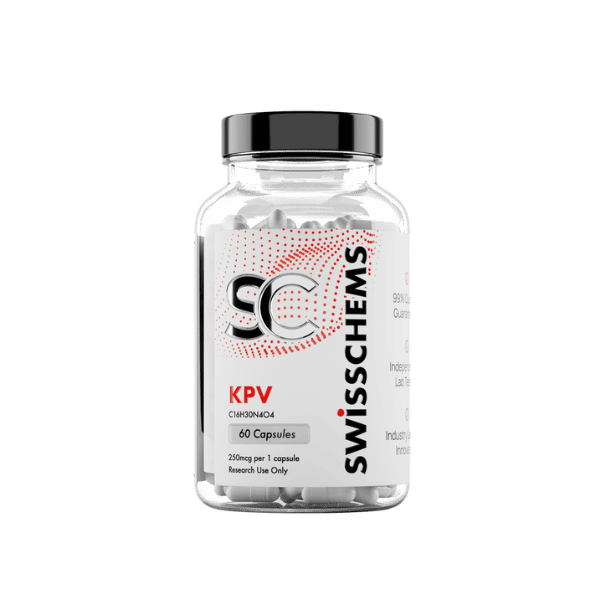
KPV (Lysine-Proline-Valine) 250mcg/60caps
$139.95
KPV (Lysine-Proline-Valine) is the C-terminal tripeptide fragment of alpha-melanocyte-stimulating hormone (alpha-MSH), corresponding to residues 11-13 and also present within the corresponding region of adrenocorticotropic hormone (ACTH). Research interest centers on KPV’s reported melanocortin receptor-independent… CAS: 67727-97-3 | Formula: C16H30N4O4 | Content: 15mg (250mcg/capsule) | Research use only | Third-party lab tested.
Buy KPV (Lysine-Proline-Valine) 250mcg/60caps – Swiss Chems USA
KPV (Lysine-Proline-Valine) 250mcg/60caps — Research Overview
KPV (Lysine-Proline-Valine) is the C-terminal tripeptide fragment of alpha-melanocyte-stimulating hormone (alpha-MSH), corresponding to residues 11-13 and also present within the corresponding region of adrenocorticotropic hormone (ACTH). Research interest centers on KPV’s reported melanocortin receptor-independent activity in cell-based inflammatory signalling models, distinguishing it from full-length melanocortin receptor agonists. Research applications include melanocortin fragment structure-activity studies, NF-κB pathway investigation, and tripeptide stability/delivery research.
- High Purity – 99% Purity Guaranteed
- Independently Lab Tested
- Research Grade Quality
- For Laboratory Research Use Only
Intended use: This material is supplied for laboratory and in-vitro research only. It is not a drug, food, or cosmetic and is not intended for human or animal consumption.
KPV (Lysine-Proline-Valine) 250mcg/60caps Chemical Properties
| Property | Specification |
|---|---|
| Chemical Formula | C16H30N4O4 |
| Synonyms | Lys-pro-val, L-Valine, N-(1-L-lysyl-L-prolyl)-, Msh (11-13), L-Lysyl-L-prolyl-L-valine, Lysyl-prolyl-valine, ACTH-(11-13) |
| Molar Mass | 342.43 g/mol |
| CAS Number | 67727-97-3 |
| PubChem CID | 125672 |
| Total Compound Content | 15mg (250mcg/capsule) |
| Shelf Life | 36 months |
KPV (Lysine-Proline-Valine) 250mcg/60caps Research Applications
KPV is the minimal C-terminal tripeptide sequence shared by alpha-MSH and ACTH, and is studied for biological activity that appears to occur independently of canonical melanocortin receptor (MC1R-MC5R) engagement. In vitro cell models have been used to investigate KPV’s effects on NF-κB transcriptional activity and downstream pro-inflammatory cytokine expression, positioning it as a tool compound for dissecting melanocortin-peptide-derived signalling that does not require full receptor-mediated activation. Comparative studies with full-length alpha-MSH and other melanocortin fragments are used to map which structural elements of the parent hormone are necessary and sufficient for specific downstream effects. Independently third-party HPLC-tested; COA available per batch.
KPV (Lysine-Proline-Valine) 250mcg/60caps Frequently Asked Questions
How does KPV’s proposed mechanism differ from full-length alpha-MSH’s melanocortin receptor activity?
Full-length alpha-MSH activates the canonical melanocortin receptors (primarily MC1R), a G protein-coupled receptor pathway producing cAMP-dependent downstream signalling. KPV, as a minimal C-terminal tripeptide fragment, is investigated for effects in cell-based models (including NF-κB transcriptional readouts) that appear to occur with reduced dependence on classical MC1R-mediated signalling, making it a research tool for distinguishing melanocortin receptor-dependent from receptor-independent peptide activity. Researchers studying this distinction typically use MC1R antagonists or receptor-knockout/knockdown models alongside KPV exposure to determine the receptor-dependence of observed effects.
What cell-based assays are used to study KPV’s effects on NF-κB signaling?
Standard approaches include NF-κB-responsive luciferase reporter assays in cell lines stimulated with a pro-inflammatory trigger (such as LPS or TNF-α) with and without KPV co-treatment, alongside direct measurement of NF-κB nuclear translocation by immunofluorescence or Western blot of nuclear/cytoplasmic fractions. Downstream readouts often include quantification of NF-κB target gene products (pro-inflammatory cytokines, chemokines) by ELISA or qPCR to characterise the functional consequence of any observed transcriptional modulation.
Why is KPV used as a tool for studying the shared C-terminal sequence of alpha-MSH and ACTH?
Because the Lys-Pro-Val sequence is conserved in both alpha-MSH and ACTH at the same relative position, KPV serves as a minimal structural probe for research questions about which biological activities of these larger peptide hormones map to this specific C-terminal motif versus other regions of the parent sequence. Comparative studies using KPV alongside other fragments of alpha-MSH/ACTH (such as the N-terminal or central regions) allow researchers to build structure-activity maps of the full hormone sequence.
Research Use Disclaimer
All product information is provided for educational and laboratory research reference only. Any form of introduction into humans or animals is prohibited. Handle only in licensed research settings in accordance with applicable laws and institutional protocols.
| Weight | 3 lbs |
|---|
Related products
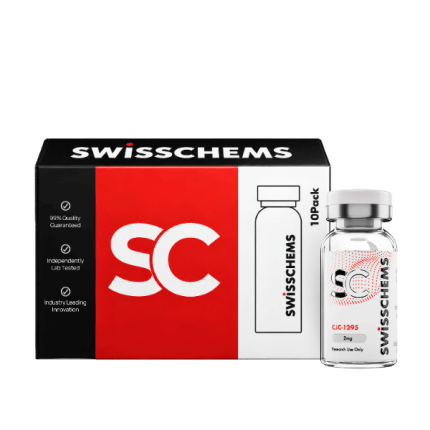
CJC-1295 without DAC 2 mg
Price range: $42.95 through $429.50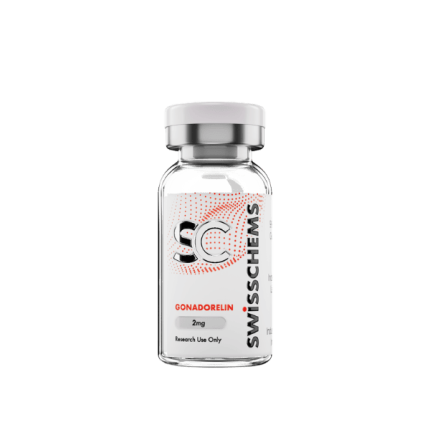
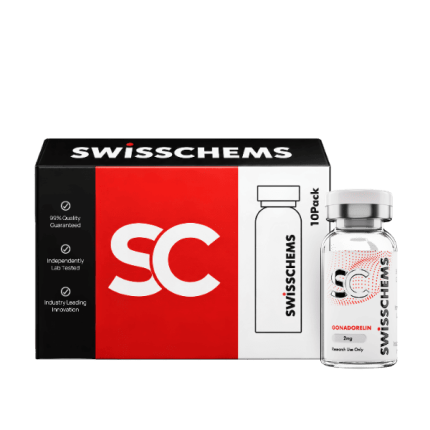
Gonadorelin 2mg
Price range: $24.95 through $249.50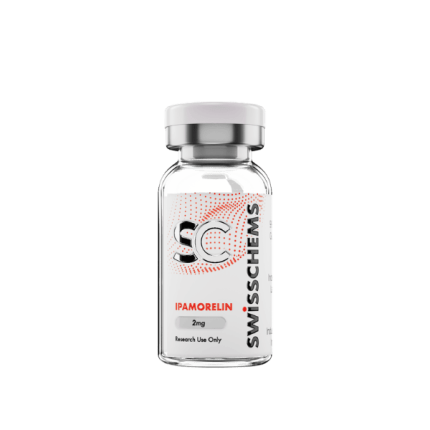
Ipamorelin 2mg
Price range: $17.56 through $175.60
MOTS-C 10mg
Price range: $69.95 through $699.50
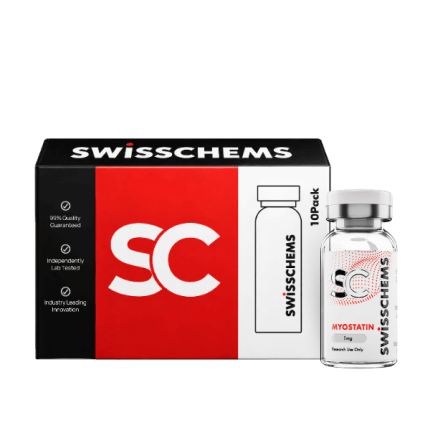
Myostatin 1mg
Price range: $133.98 through $1,339.80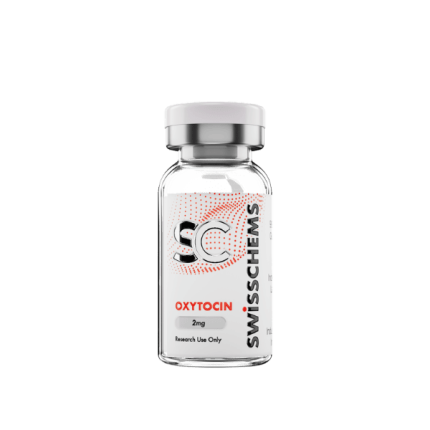
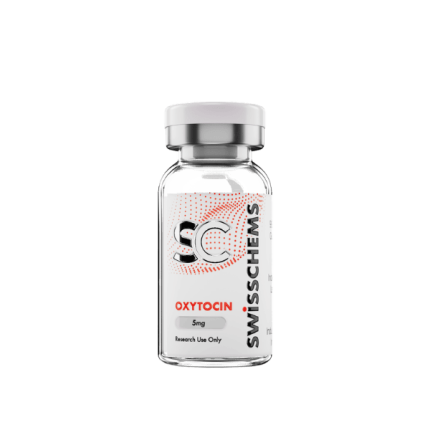
Oxytocin
Price range: $21.95 through $319.50
Reviews
There are no reviews yet.