
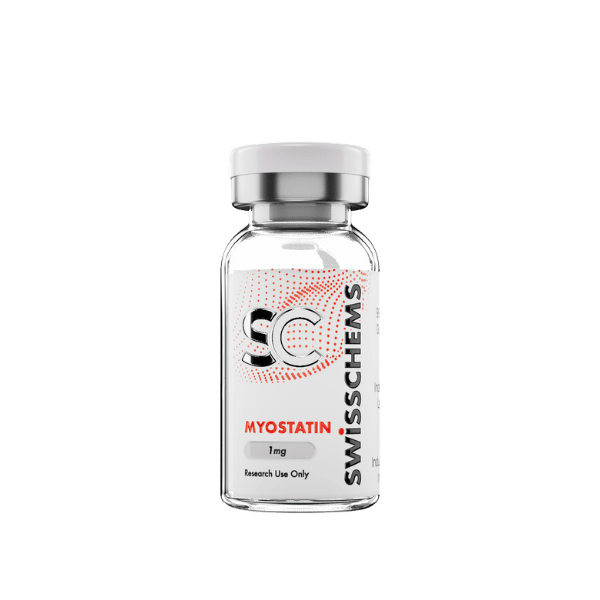
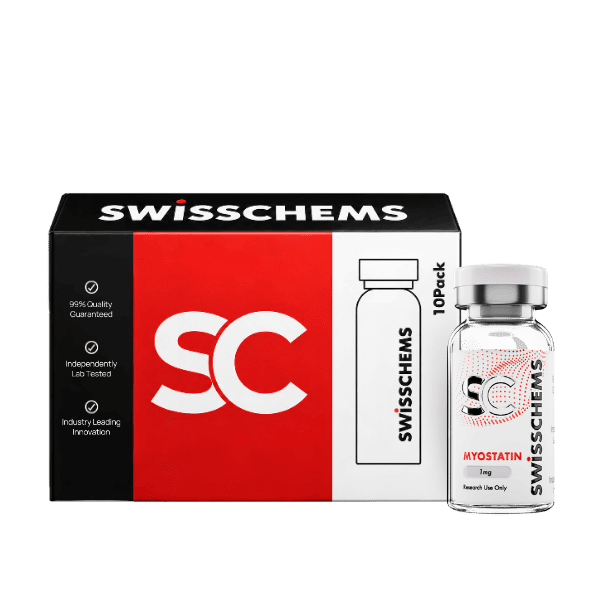
Myostatin 1mg
Price range: $133.98 through $1,339.80
Myostatin (GDF-8) is a TGF-β superfamily growth factor that functions as a key regulator of skeletal muscle mass through activation of the activin receptor pathway. Binding to ACVR2A/ACVR2B and subsequent recruitment of ALK4/ALK5 co-receptors initiates Smad2/3 signalling, resulting in transcriptional regulation of… CAS: 1621169-52-5 | Formula: C133H227N43O33 | Content: 1 mg per vial | Research use only | Third-party lab tested.
Buy Myostatin 1mg – Swiss Chems USA
Myostatin 1mg — Research Overview
Myostatin (GDF-8) is a TGF-β superfamily growth factor that functions as a key regulator of skeletal muscle mass through activation of the activin receptor pathway. Binding to ACVR2A/ACVR2B and subsequent recruitment of ALK4/ALK5 co-receptors initiates Smad2/3 signalling, resulting in transcriptional regulation of genes involved in muscle growth, differentiation, and protein turnover. Recombinant myostatin is widely used as a research tool for direct activation of the myostatin signalling pathway, providing a positive control for ACVR2B-mediated responses, Smad2/3 phosphorylation, and downstream transcriptional activity. Research applications include myostatin pathway characterization, activin receptor signalling studies, muscle biology research, pathway validation experiments, antagonist screening, and investigations of TGF-β superfamily signalling mechanisms.
- High Purity – 99% Purity Guaranteed
- Independently Lab Tested
- Research Grade Quality
- For Laboratory Research Use Only
Intended use: This material is supplied for laboratory and in-vitro research only. It is not a drug, food, or cosmetic and is not intended for human or animal consumption.
Myostatin 1mg Chemical Properties
| Property | Specification |
|---|---|
| Chemical Formula | C133H227N43O33 |
| Synonyms | 1621169-52-5, Myostatin inhibitory peptide 7, U8DGS69FVC Ala-Trp-Arg-Gln-Asn-Thr-Arg-Tyr-Ser-Arg-Ile-Glu-Ala-Ile-Lys-Ile-Gln-Ile-Leu-Ser-Lys-Leu-Arg-Leu-NH2, UNII-U8DGS69FVC, CHEMBL3410227, L-Alanyl-L-tryptophyl-L-arginyl-L-glutaminyl-L-asparaginyl-L-threonyl-L-arginyl-L-tyrosyl-L-seryl-L-arginyl-L-isoleucyl-L-alpha-glutamyl-L-alanyl-L-isoleucyl-L-lysyl-L-isoleucyl-L-glutaminyl-L-isoleucyl-L-leucyl-L-seryl-L-lysyl-L-leucyl-L-arginyl-L-leucinamide, orb2563812 |
| Molar Mass | 2956.5 g/mol |
| CAS Number | 1621169-52-5 |
| PubChem CID | 118732224 |
| Total Compound Content | 1 mg per vial |
| Shelf Life | 24 months |
Myostatin 1mg Research Applications
Myostatin (GDF-8) is a homodimeric TGF-β superfamily growth factor and a central regulator of skeletal muscle biology. Signalling occurs through binding to activin type II receptors (ACVR2A/ACVR2B), recruitment of ALK4/ALK5 co-receptors, and activation of the Smad2/3 pathway, resulting in transcriptional regulation of genes involved in muscle growth and differentiation. Recombinant myostatin is widely used as a research tool for direct activation of ACVR2B signalling, providing a validated positive control for Smad2/3 phosphorylation, reporter assays, and downstream transcriptional analysis. Additional applications include antagonist validation studies, receptor-binding investigations, competitive ligand-binding assays, pathway characterization, and the establishment of myostatin-responsive cellular models. The biologically active form consists of the mature dimer generated through proteolytic processing of the precursor protein. Independently third-party HPLC-tested; COA available per batch.
Myostatin 1mg Frequently Asked Questions
What is the primary research use of recombinant myostatin?
Recombinant myostatin is primarily used as a pathway activator in experimental systems. It provides direct activation of ACVR2A/ACVR2B-mediated Smad2/3 signalling, making it a standard positive control for myostatin pathway studies, receptor-binding experiments, signalling assays, and antagonist validation research. It is commonly paired with inhibitory compounds to evaluate pathway neutralisation and downstream signalling effects.
What concentrations are typically used in cell-based myostatin signalling studies?
Recombinant myostatin is active at low nanomolar and sub-nanomolar concentrations in many cell-based systems. Concentration-response experiments are commonly performed across a broad range to characterize receptor activation, Smad2/3 phosphorylation, transcriptional responses, and pathway sensitivity. Optimal concentrations depend on receptor expression levels and the specific experimental model being used.
What controls are important in myostatin pathway experiments?
Common controls include vehicle-treated samples for baseline measurements, pathway-positive controls to confirm Smad2/3 responsiveness, receptor or kinase inhibitors to verify pathway specificity, and myostatin-neutralising agents to confirm that observed responses are directly attributable to myostatin signalling. These controls help validate assay performance and ensure accurate interpretation of pathway activation results.
Research Use Disclaimer
All product information is provided for educational and laboratory research reference only. Any form of introduction into humans or animals is prohibited. Handle only in licensed research settings in accordance with applicable laws and institutional protocols.
| Weight | 1 lbs |
|---|---|
| Myostatin 1Mg |
1 vial ,KIT (10 vials) |
Related products
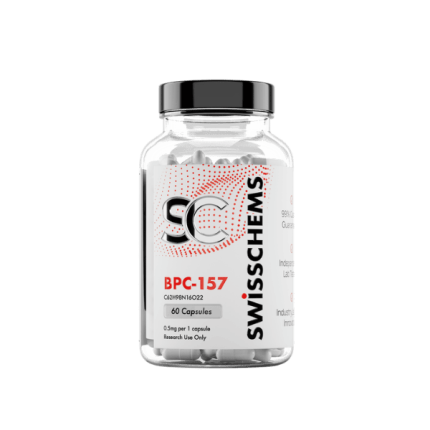
BPC-157 (0.5mg/capsule), 60 Capsules
Original price was: $114.95.$85.95Current price is: $85.95.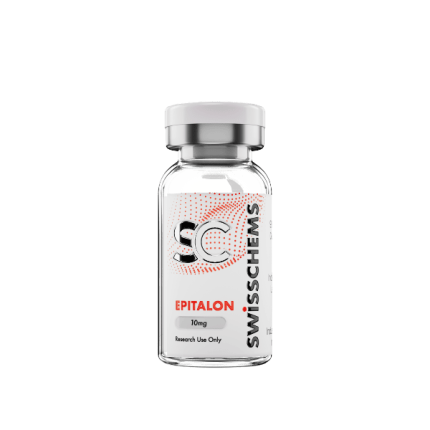
Epitalon 10 mg
Price range: $23.16 through $231.60
HCG 5000 IU
Price range: $28.99 through $289.90
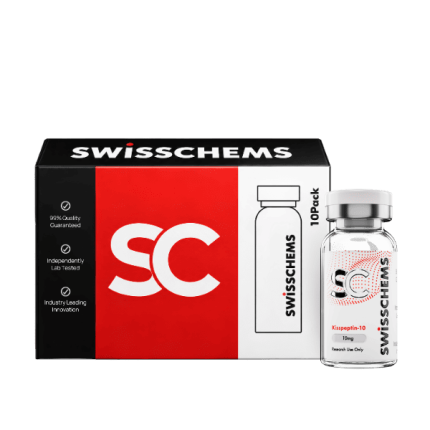
Kisspeptin-10 10mg
Price range: $59.99 through $599.90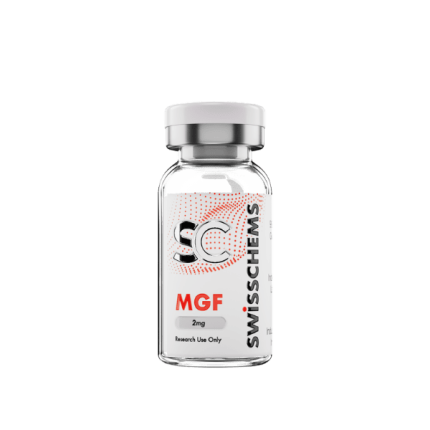
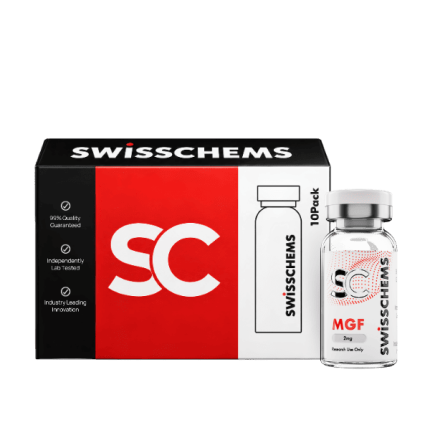
MGF without PEG 2mg
Price range: $29.99 through $299.90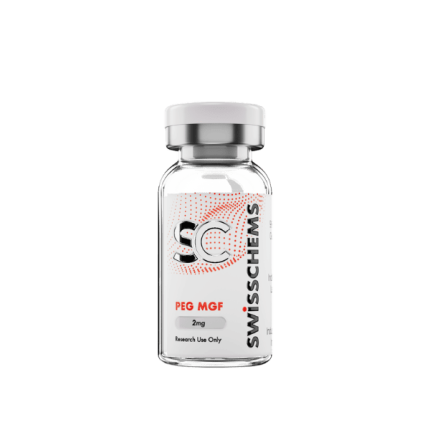
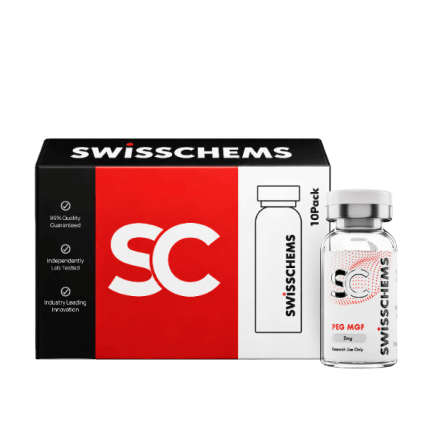
PEG MGF 2mg
Price range: $47.95 through $479.50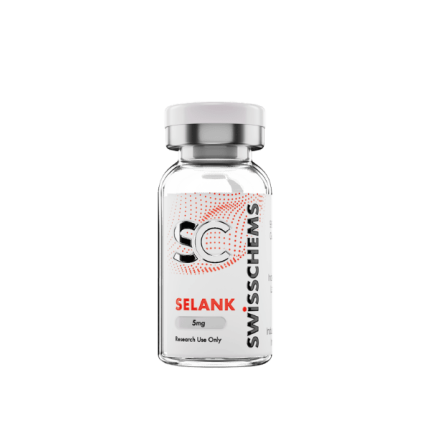
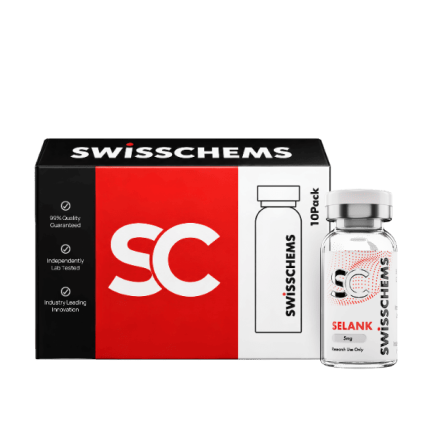
Selank 5mg
Price range: $25.95 through $259.50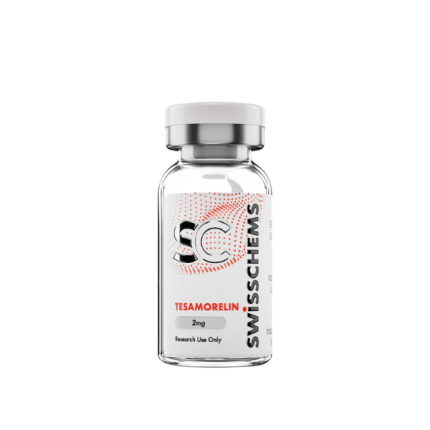
Reviews
There are no reviews yet.