
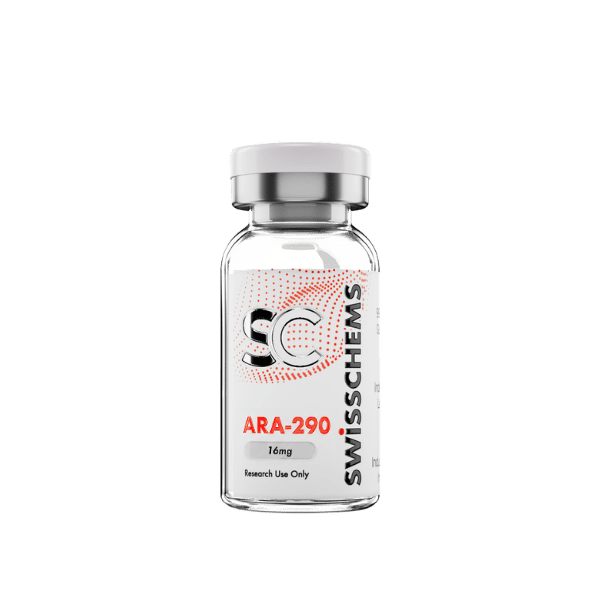
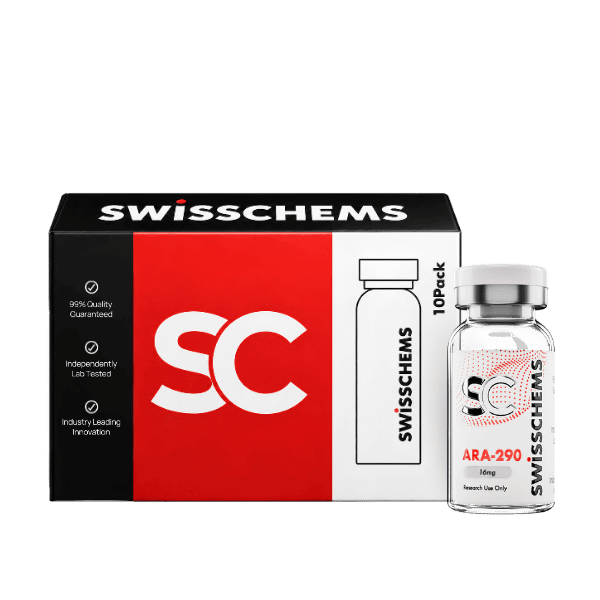
Cibinitide ARA-290 16mg
Price range: $85.60 through $855.95
Cibinitide (ARA-290) is a synthetic peptide engineered from a structural region of erythropoietin (EPO), designed to engage the innate repair receptor (IRR) — a heterodimeric receptor complex distinct from the classical homodimeric erythropoietin receptor responsible for erythropoiesis. Research interest centers on… CAS: 1208243-50-8 | Formula: C51H84N16O21 | Content: 160mg (16mg per 1 vial) | Research use only | Third-party lab tested.
Buy Cibinitide ARA-290 16mg – Swiss Chems USA
Cibinitide ARA-290 16mg — Research Overview
Cibinitide (ARA-290) is a synthetic peptide engineered from a structural region of erythropoietin (EPO), designed to engage the innate repair receptor (IRR) — a heterodimeric receptor complex distinct from the classical homodimeric erythropoietin receptor responsible for erythropoiesis. Research interest centers on its capacity to activate IRR-mediated signalling without the haematopoietic effects associated with full EPO receptor engagement. Research applications include innate repair receptor pathway studies, cytoprotective signalling research, and EPO-derived peptide structure-activity investigation.
- High Purity – 99% Purity Guaranteed
- Independently Lab Tested
- Research Grade Quality
- For Laboratory Research Use Only
Intended use: This material is supplied for laboratory and in-vitro research only. It is not a drug, food, or cosmetic and is not intended for human or animal consumption.
Cibinitide ARA-290 16mg Chemical Properties
| Property | Specification |
|---|---|
| Chemical Formula | C51H84N16O21 |
| Synonyms | Cibinetide, PH-BSP, ARA290 |
| Molar Mass | 1257.31 g/mol |
| CAS Number | 1208243-50-8 |
| PubChem CID | 91810664 |
| Total Compound Content | 160mg (16mg per 1 vial) |
| Shelf Life | 36 months |
Cibinitide ARA-290 16mg Research Applications
Cibinitide (ARA-290) was engineered from the helix-B surface region of erythropoietin to selectively engage the innate repair receptor, a complex formed by the EPO receptor and the common beta receptor subunit (CD131/βcR), distinguishing its signalling profile from the homodimeric EPO receptor responsible for classical erythropoietic effects. Research models examine IRR-mediated activation of cytoprotective and anti-inflammatory intracellular signalling cascades, including studies of TRPV1 channel modulation and inflammatory pathway interactions, using cell-based receptor engagement assays and rodent models of tissue injury and inflammatory signalling. The structural basis for IRR-selective activity (rather than classical EPO receptor activation) is a central focus of structure-activity research within this peptide series. Independently third-party HPLC-tested; COA available per batch.
Cibinitide ARA-290 16mg Lab Results & Certificates of Analysis
Third-party analytical reports associated with this research compound:
Cibinitide ARA-290 16mg Frequently Asked Questions
How does cibinitide’s selectivity for the innate repair receptor distinguish it from native erythropoietin signaling?
Native erythropoietin activates the classical homodimeric EPO receptor to drive erythropoiesis (red blood cell production) in addition to other downstream effects. Cibinitide was engineered to selectively engage the innate repair receptor (IRR) — a distinct heterodimeric complex of the EPO receptor and the common beta receptor subunit (CD131) — without activating the homodimeric EPO receptor pathway responsible for erythropoietic effects. Research distinguishing these two signalling outcomes typically uses hematocrit or reticulocyte count as a readout for erythropoietic activity alongside IRR-specific signalling markers, to confirm selective IRR engagement without off-target erythropoietic stimulation.
What cell-based assays are used to study cibinitide’s activation of innate repair receptor signaling?
Cell lines expressing the IRR complex (EPO receptor plus CD131) are used in receptor engagement and downstream signalling assays, typically measuring activation of JAK2/STAT5 or other cytoprotective signalling intermediates following cibinitide exposure, compared against cell lines expressing only the classical homodimeric EPO receptor to confirm receptor-complex-dependent selectivity. Inflammatory pathway readouts — such as NF-κB activation status or downstream cytokine production — are also used in models examining cibinitide’s reported anti-inflammatory signalling effects.
What rodent injury models are used to study cibinitide’s cytoprotective signaling effects?
Rodent models of tissue injury and inflammatory challenge — including peripheral nerve injury, ischemia-reperfusion injury models, and inflammatory pain models — have been used to study cibinitide’s effects on cytoprotective and anti-inflammatory signalling pathways downstream of IRR activation. These studies typically combine behavioral or functional injury-recovery endpoints with tissue-level markers of inflammation and cell survival to characterise the peptide’s pathway-specific effects in an intact physiological system.
Research Use Disclaimer
All product information is provided for educational and laboratory research reference only. Any form of introduction into humans or animals is prohibited. Handle only in licensed research settings in accordance with applicable laws and institutional protocols.
| Cibinitide Ara 290 16Mg |
1 vial ,KIT (10 vials) |
|---|
Related products
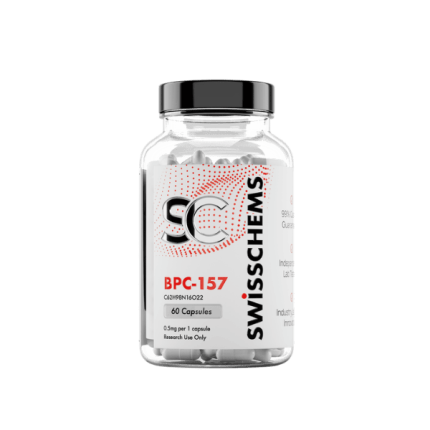
BPC-157 (0.5mg/capsule), 60 Capsules
Original price was: $114.95.$85.95Current price is: $85.95.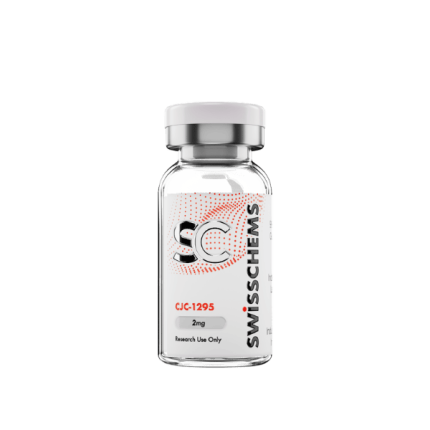
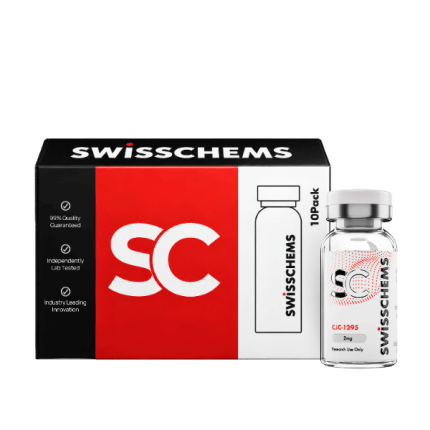
CJC-1295 without DAC 2 mg
Price range: $42.95 through $429.50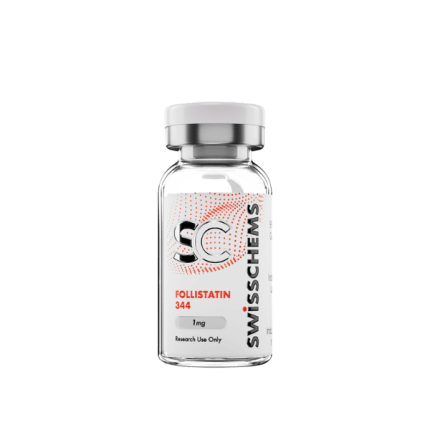
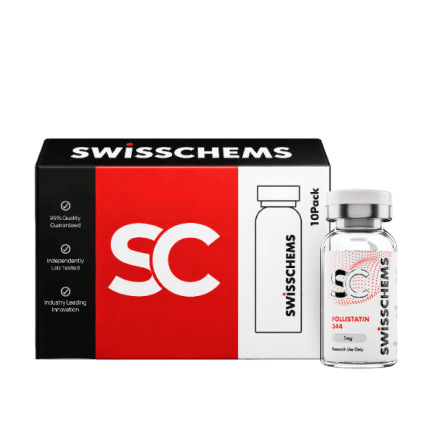
Follistatin-344 1mg
Price range: $139.99 through $1,399.90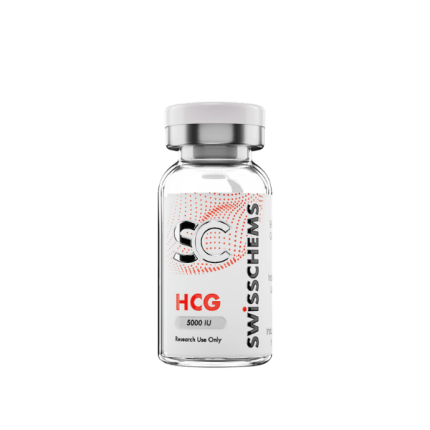
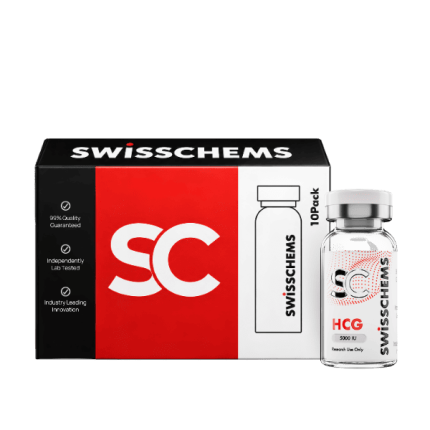
HCG 5000 IU
Price range: $28.99 through $289.90
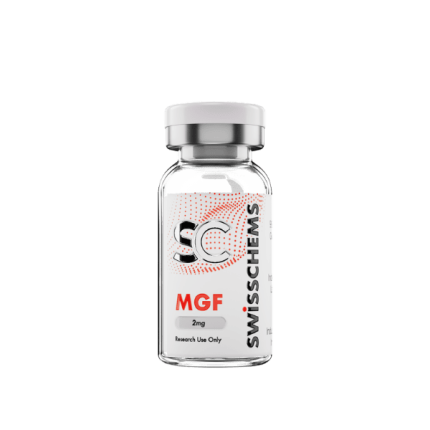
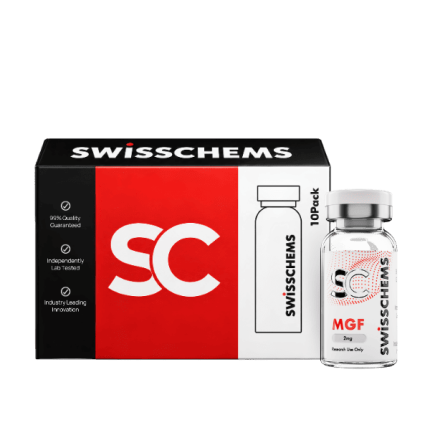
MGF without PEG 2mg
Price range: $29.99 through $299.90
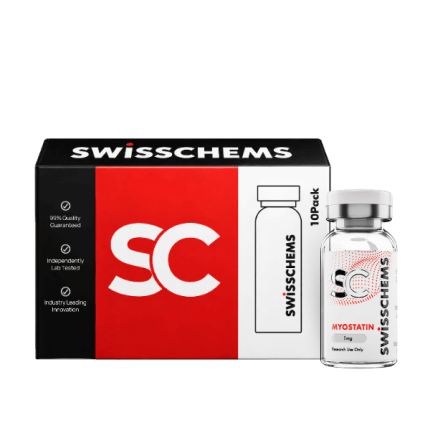
Myostatin 1mg
Price range: $133.98 through $1,339.80
Reviews
There are no reviews yet.