
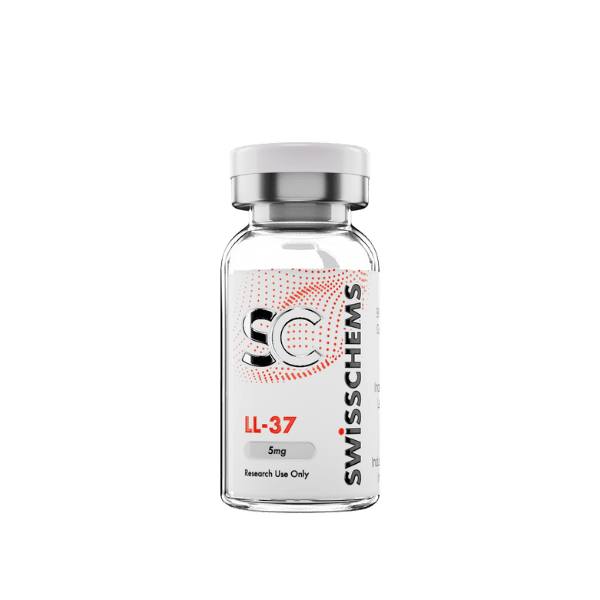
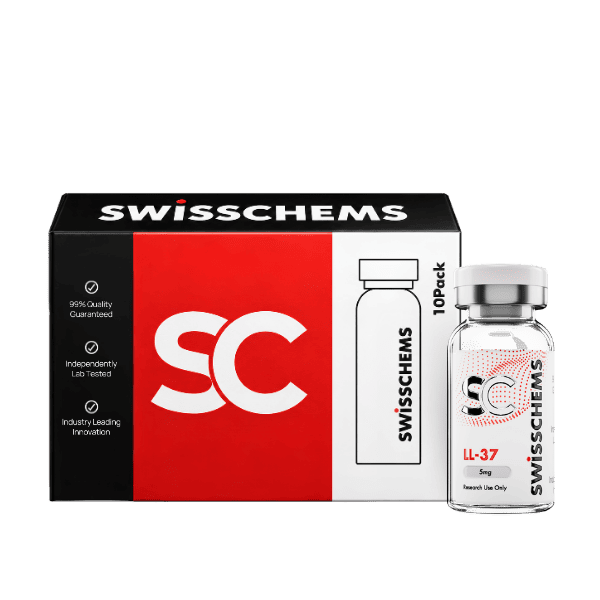
LL-37 (CAP-18) 5mg
Price range: $71.99 through $719.90
LL-37 (CAP-18) is the active C-terminal peptide derived from human cathelicidin, the sole cathelicidin-family antimicrobial peptide encoded in the human genome. Research interest centers on its dual function as both a direct membrane-disrupting antimicrobial agent and an immunomodulatory signalling molecule engaging… CAS: 154947 | Formula: C205H340N60O53 | Content: 5mg (1 vial) | Research use only | Third-party lab tested.
Buy LL-37 (CAP-18) 5mg – Swiss Chems USA
LL-37 (CAP-18) 5mg — Research Overview
LL-37 (CAP-18) is the active C-terminal peptide derived from human cathelicidin, the sole cathelicidin-family antimicrobial peptide encoded in the human genome. Research interest centers on its dual function as both a direct membrane-disrupting antimicrobial agent and an immunomodulatory signalling molecule engaging multiple receptor pathways. Research applications include innate immune signalling studies, antimicrobial peptide membrane-interaction research, and formyl peptide receptor (FPR2) pathway investigation.
- High Purity – 99% Purity Guaranteed
- Independently Lab Tested
- Research Grade Quality
- For Laboratory Research Use Only
Intended use: This material is supplied for laboratory and in-vitro research only. It is not a drug, food, or cosmetic and is not intended for human or animal consumption.
LL-37 (CAP-18) 5mg Chemical Properties
| Property | Specification |
|---|---|
| Chemical Formula | C205H340N60O53 |
| Synonyms | Cathelicidin, ropocamptide, Bac4, Cathelicidin antimicrobial peptide 18 |
| Molar Mass | 4493 g/mol |
| CAS Number | 154947 |
| PubChem CID | 16198951 |
| Total Compound Content | 5mg (1 vial) |
| Shelf Life | 36 months |
LL-37 (CAP-18) 5mg Research Applications
LL-37 is a 37-residue amphipathic alpha-helical peptide cleaved from the precursor protein hCAP-18, and is studied for two distinct but related activities: direct antimicrobial action via membrane permeabilisation of bacterial cell envelopes, and immunomodulatory signalling through host receptors including formyl peptide receptor 2 (FPR2), P2X7 purinergic receptor, and epidermal growth factor receptor (EGFR) transactivation pathways. In vitro models examine LL-37’s chemotactic effects on immune cells (neutrophils, monocytes, mast cells), its capacity to neutralise bacterial endotoxin (LPS), and its role in wound-healing-associated cell migration and angiogenesis signalling. Membrane-interaction biophysics (using model lipid bilayers) and cell-based immune signalling assays are standard experimental approaches for this peptide. Independently third-party HPLC-tested; COA available per batch.
LL-37 (CAP-18) 5mg Frequently Asked Questions
What is the proposed dual mechanism of LL-37’s antimicrobial and immunomodulatory activity?
LL-37’s antimicrobial mechanism involves direct insertion into and disruption of bacterial cell membranes via its amphipathic alpha-helical structure, a mechanism studied using model lipid bilayer and liposome leakage assays. Separately, LL-37 engages host cell surface receptors — including FPR2, P2X7, and EGFR transactivation pathways — to modulate immune cell chemotaxis, cytokine release, and cell migration, representing a receptor-mediated signalling mechanism distinct from its direct membrane-disrupting antimicrobial action. Research distinguishing these two activities typically uses peptide fragments or receptor antagonists to isolate which mechanism drives a given experimental endpoint.
What cell-based assays are used to study LL-37’s chemotactic and immunomodulatory effects?
Standard approaches include transwell migration assays to quantify LL-37-induced chemotaxis of neutrophils, monocytes, or mast cells, alongside cytokine/chemokine release assays (ELISA, multiplex) following LL-37 exposure in immune cell culture models. FPR2-specific signalling is often confirmed using selective FPR2 antagonists or receptor-knockdown approaches to establish receptor dependence of the observed chemotactic or signalling response.
How is LL-37’s membrane-disrupting antimicrobial mechanism studied using biophysical methods?
Model lipid bilayer systems — including liposome dye-leakage assays, planar lipid bilayer electrophysiology, and circular dichroism spectroscopy to monitor peptide secondary structure upon membrane association — are standard biophysical methods for characterising LL-37’s membrane interaction and permeabilisation kinetics. These methods allow researchers to correlate peptide concentration, lipid composition (mimicking bacterial versus mammalian membranes), and resulting membrane disruption, providing mechanistic insight into the peptide’s selectivity for bacterial over host cell membranes.
Research Use Disclaimer
All product information is provided for educational and laboratory research reference only. Any form of introduction into humans or animals is prohibited. Handle only in licensed research settings in accordance with applicable laws and institutional protocols.
| Weight | 1 lbs |
|---|---|
| Ll 37 Cap 18 5Mg |
1 vial ,KIT (10 vials) |
Related products
FTPP (Adipotide) 5mg
Price range: $63.95 through $639.50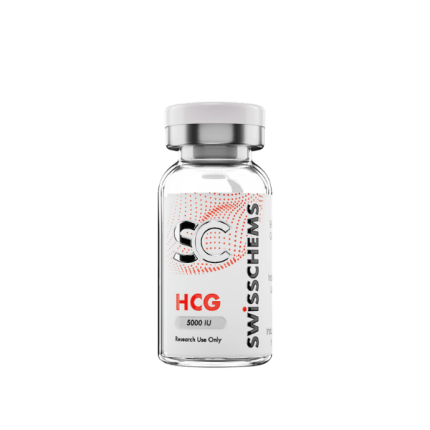
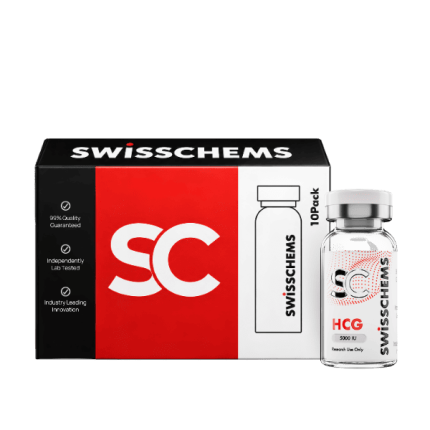
HCG 5000 IU
Price range: $28.99 through $289.90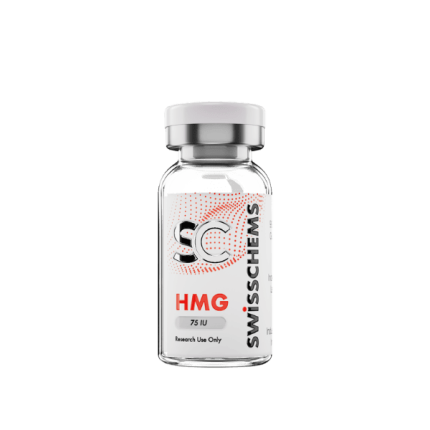
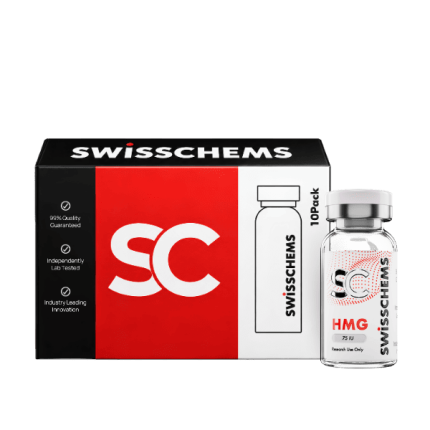
HMG 75 IU
Price range: $37.95 through $379.50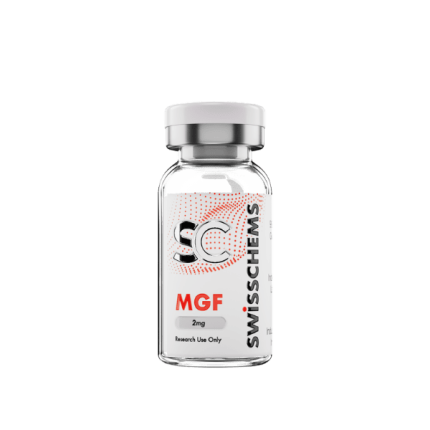
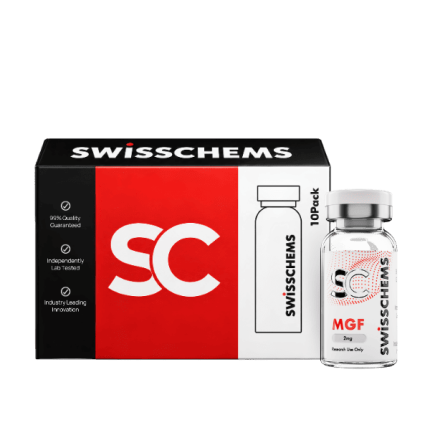
MGF without PEG 2mg
Price range: $29.99 through $299.90
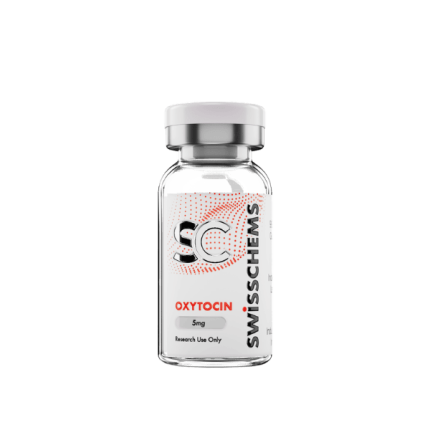
Oxytocin
Price range: $21.95 through $319.50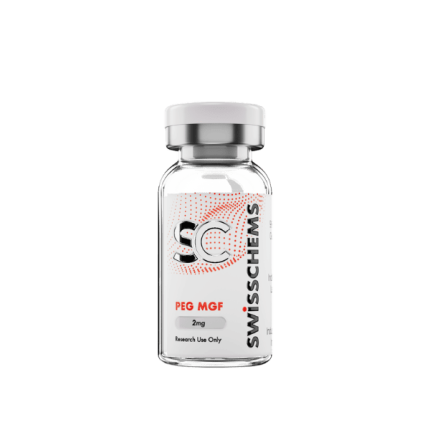
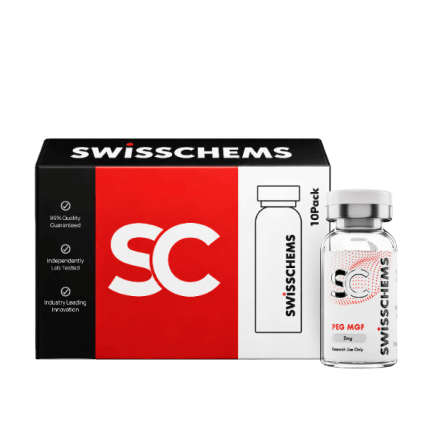
PEG MGF 2mg
Price range: $47.95 through $479.50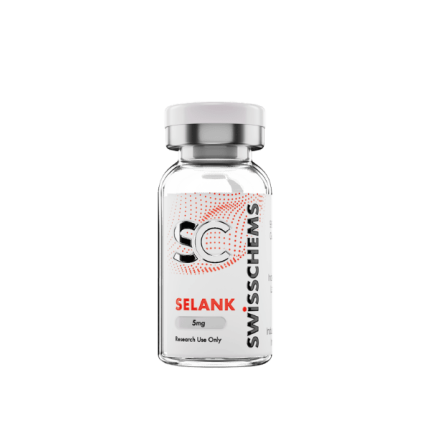
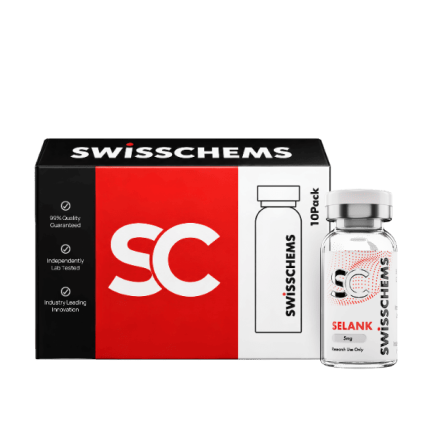
Selank 5mg
Price range: $25.95 through $259.50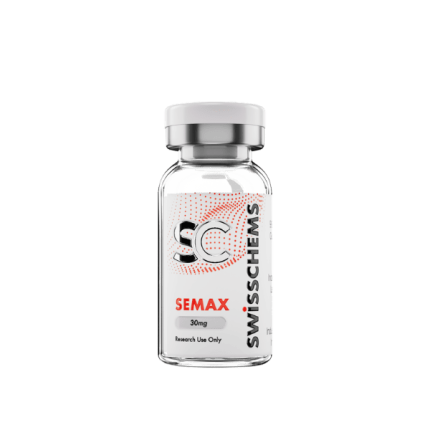
Reviews
There are no reviews yet.