
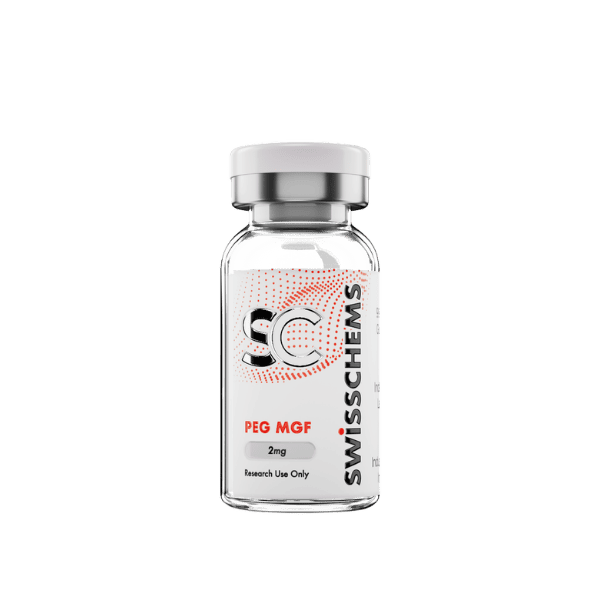
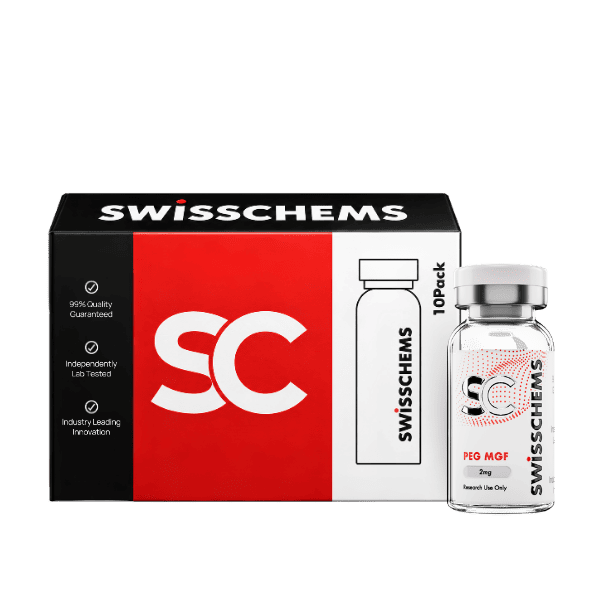
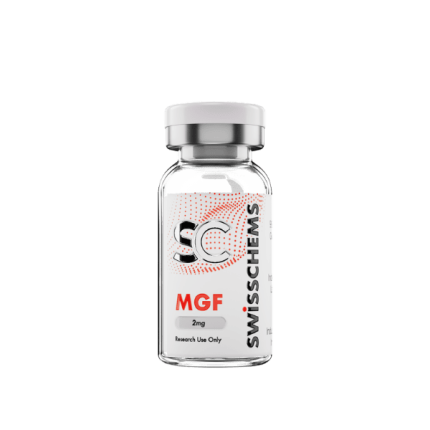
PEG MGF 2mg
Price range: $47.95 through $479.50
PEG-MGF (Pegylated Mechano Growth Factor) is a PEGylated derivative of mechano growth factor (MGF), an alternatively spliced isoform of the IGF-1 gene. PEGylation substantially alters the compound’s pharmacokinetic profile by increasing molecular size and reducing clearance, enabling prolonged exposure relative to… CAS: 108174-48-7 | Formula: C121H200N42O39 | Content: 2 mg per vial | Research use only | Third-party lab tested.
Buy PEG MGF 2mg – Swiss Chems USA
PEG MGF 2mg — Research Overview
PEG-MGF (Pegylated Mechano Growth Factor) is a PEGylated derivative of mechano growth factor (MGF), an alternatively spliced isoform of the IGF-1 gene. PEGylation substantially alters the compound’s pharmacokinetic profile by increasing molecular size and reducing clearance, enabling prolonged exposure relative to native MGF. Experimental investigations have examined PEG MGF’s interactions with IGF-1-associated signaling pathways, including PI3K/Akt, MAPK/ERK, and other regulatory networks involved in cellular growth and differentiation processes. Research has explored its role in satellite cell-associated signaling, myogenic pathway regulation, growth factor-mediated signal transduction, and comparative investigations of IGF-1 splice variants. These characteristics make PEG-MGF a valuable research tool for studies of myogenesis-associated pathways, IGF-1 isoform pharmacology, growth factor signaling mechanisms, and cellular differentiation processes.
- High Purity – 99% Purity Guaranteed
- Independently Lab Tested
- Research Grade Quality
- For Laboratory Research Use Only
Intended use: This material is supplied for laboratory and in-vitro research only. It is not a drug, food, or cosmetic and is not intended for human or animal consumption.
PEG MGF 2mg Chemical Properties
| Property | Specification |
|---|---|
| Chemical Formula | C121H200N42O39 |
| Synonyms | Pegylated Mechano Growth Factor, PEG-MGF, PEG IGF-1 Ec |
| Molar Mass | 2,867.14 g/mol |
| CAS Number | 108174-48-7 |
| PubChem CID | N/A |
| Total Compound Content | 2 mg per vial |
| Shelf Life | 36 months |
PEG MGF 2mg Research Applications
PEG-MGF (Pegylated Mechano Growth Factor) is a PEGylated derivative of mechano growth factor (MGF), an alternatively spliced isoform of the IGF-1 gene distinguished by its unique E-peptide sequence. PEGylation substantially alters the compound’s pharmacokinetic properties by increasing molecular size and reducing susceptibility to enzymatic degradation, resulting in prolonged biological persistence relative to native MGF. Experimental investigations have examined PEG-MGF’s interactions with IGF-1-associated signaling pathways, including PI3K/Akt, MAPK/ERK, and related growth factor-regulated signaling networks. Research has explored its role in satellite cell-associated signaling, myogenic pathway regulation, cellular proliferation mechanisms, growth factor-mediated signal transduction, and comparative investigations of IGF-1 splice variant biology. Its extended stability relative to native MGF makes PEG-MGF a valuable research tool for studies of myogenesis-associated pathways, IGF-1 isoform pharmacology, growth factor signaling mechanisms, satellite cell biology, and cellular differentiation processes. Supplied as a lyophilized preparation (2 mg/vial). Independently third-party HPLC-tested; COA available per batch.
PEG MGF 2mg Frequently Asked Questions
What is the mechanistic difference between PEG-MGF and IGF-1 LR3 in research models?
PEG-MGF and IGF-1 LR3 are both derived from the IGF-1 signaling system but are investigated for distinct aspects of growth factor biology. IGF-1 LR3 is primarily utilized in studies of IGF-1 receptor-mediated signaling pathways, including PI3K/Akt and MAPK/ERK regulatory networks. PEG-MGF, derived from the MGF splice variant of IGF-1, is frequently investigated in studies of satellite cell-associated signaling, cellular proliferation mechanisms, myogenic pathway regulation, and growth factor-mediated cellular responses. Together, they provide complementary tools for examining different dimensions of IGF-1-associated signaling biology.
Why is PEGylation used in PEG-MGF research?
PEGylation involves covalent attachment of polyethylene glycol chains to a peptide structure, increasing molecular size and reducing susceptibility to enzymatic degradation. This modification substantially extends biological persistence relative to native MGF while preserving the compound’s utility as a research tool. PEGylation is widely employed in peptide pharmacology to improve stability, alter pharmacokinetic properties, and enable investigation of signaling pathways over extended experimental timeframes.
What role does PEG-MGF play in satellite cell and myogenesis research?
PEG-MGF is widely utilized in studies of satellite cell-associated signaling pathways, cellular proliferation mechanisms, growth factor-mediated regulation, and myogenic biology. Experimental investigations have examined its interactions with signaling networks involved in cellular differentiation, tissue remodeling processes, and growth factor-regulated molecular pathways. These characteristics make PEG-MGF a valuable research tool for mechanistic studies of satellite cell biology, myogenesis-associated signaling, and IGF-1 splice variant pharmacology.
Research Use Disclaimer
All product information is provided for educational and laboratory research reference only. Any form of introduction into humans or animals is prohibited. Handle only in licensed research settings in accordance with applicable laws and institutional protocols.
| Weight | 1 lbs |
|---|---|
| Peg Mgf 2Mg |
1 vial ,KIT (10 vials) |
Related products
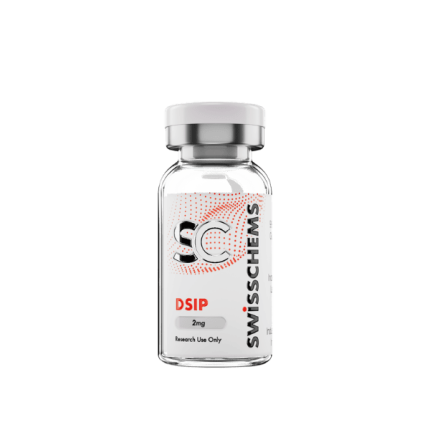
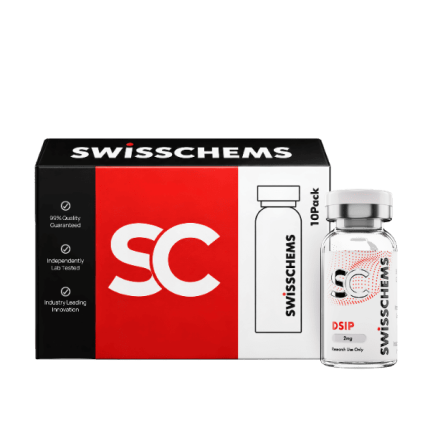
Delta Sleep-Inducing Peptide (DSIP) 2mg
Price range: $24.95 through $249.50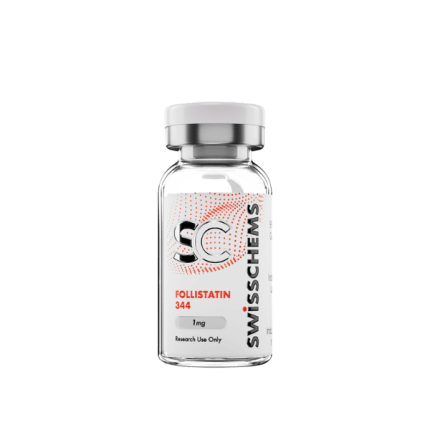
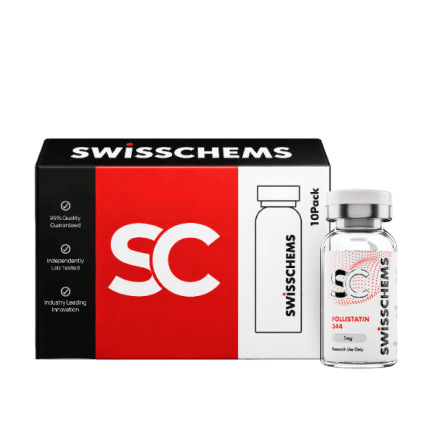
Follistatin-344 1mg
Price range: $139.99 through $1,399.90
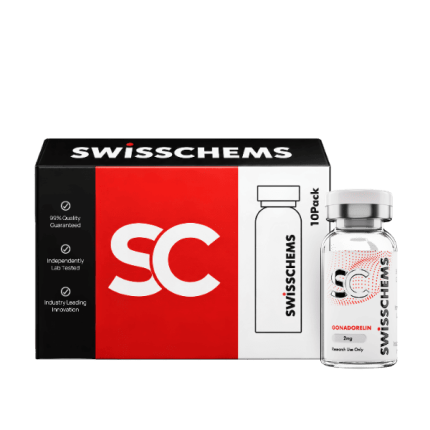
Gonadorelin 2mg
Price range: $24.95 through $249.50
LL-37 (CAP-18) 5mg
Price range: $71.99 through $719.90
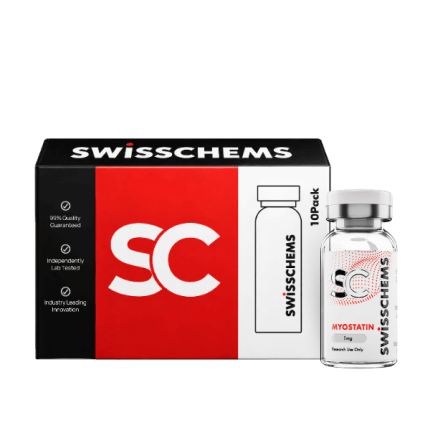
Myostatin 1mg
Price range: $133.98 through $1,339.80
Oxytocin
Price range: $21.95 through $319.50
Reviews
There are no reviews yet.