
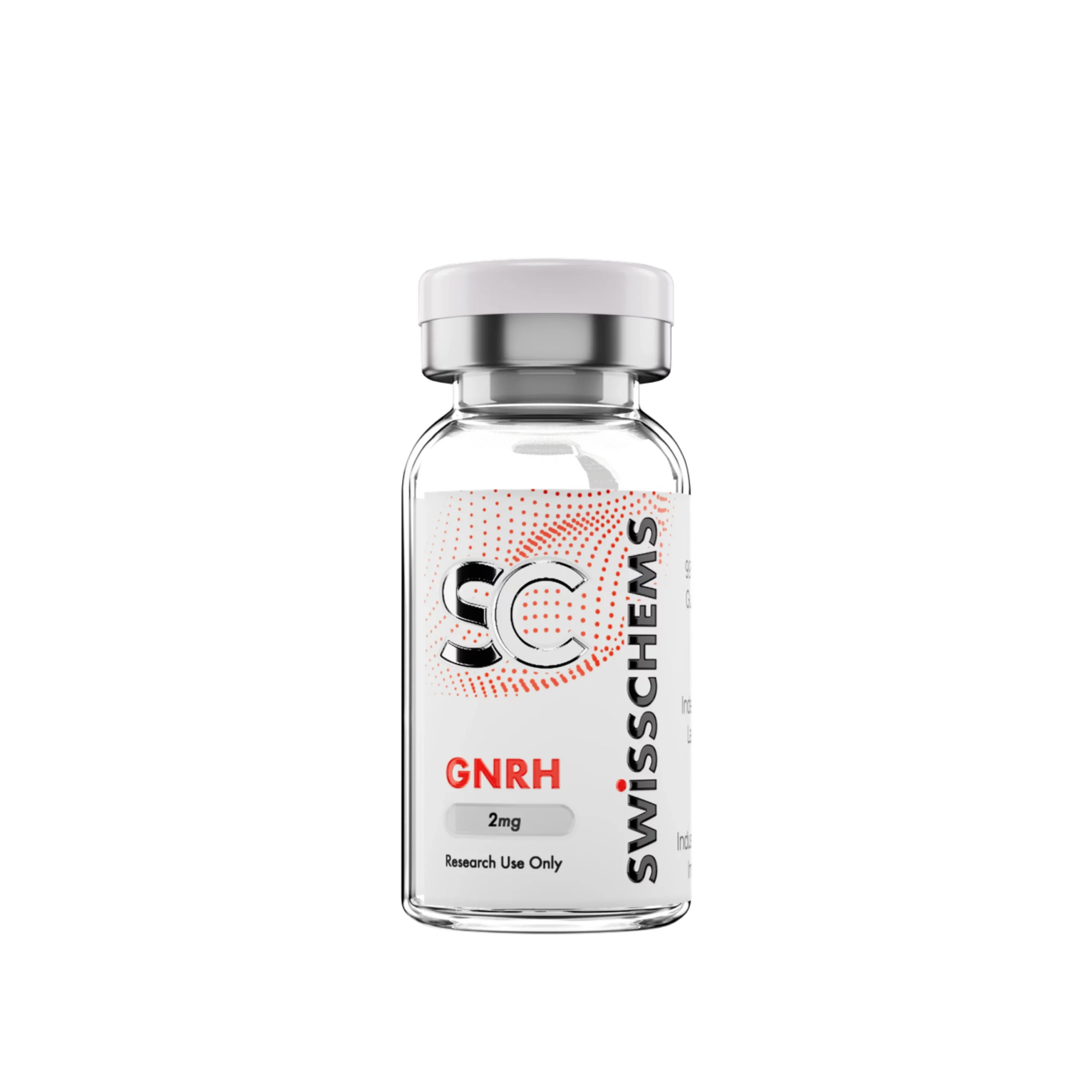



GnRH (Triptorelin) 2mg
Price range: $29.95 through $299.50
Triptorelin (D-Trp6-LHRH) is a decapeptide GnRH analogue with a single D-tryptophan substitution at position 6 that confers greater GnRHR binding affinity and substantially extended plasma half-life relative to gonadorelin. Unlike native GnRH (which requires pulsatile delivery to sustain gonadotropin secretion),… CAS: 57773-63-4 | Formula: C64H82N18O13 | Content: 2 mg per vial | Research use only | Third-party lab tested.
Buy GnRH (Triptorelin) 2mg – Swiss Chems USA
GnRH (Triptorelin) 2mg — Research Overview
Triptorelin (D-Trp6-LHRH) is a decapeptide GnRH analogue with a single D-tryptophan substitution at position 6 that confers greater GnRHR binding affinity and substantially extended plasma half-life relative to gonadorelin. Unlike native GnRH (which requires pulsatile delivery to sustain gonadotropin secretion), triptorelin’s extended half-life produces continuous GnRHR engagement — driving initial gonadotropin surge followed by receptor downregulation and sustained HPG-axis suppression. Research applications include GnRHR pharmacology, HPG-axis suppression modelling, chemical castration models, and GnRH analogue comparative pharmacology.
- High Purity – 99% Purity Guaranteed
- Independently Lab Tested
- Research Grade Quality
- For Laboratory Research Use Only
Intended use: This material is supplied for laboratory and in-vitro research only. It is not a drug, food, or cosmetic and is not intended for human or animal consumption.
GnRH (Triptorelin) 2mg Chemical Properties
| Property | Specification |
|---|---|
| Chemical Formula | C64H82N18O13 |
| Synonyms | Triptorelin, GnRH agonist, Decapeptyl, D-Trp6-LHRH |
| Molar Mass | 1,311.47 g/mol |
| CAS Number | 57773-63-4 |
| PubChem CID | 25074470 |
| Total Compound Content | 2 mg per vial |
| Shelf Life | 36 months |
GnRH (Triptorelin) 2mg Research Applications
Triptorelin (pyroGlu-His-Trp-Ser-Tyr-D-Trp-Leu-Arg-Pro-Gly-NH2) is a synthetic GnRH decapeptide with D-Trp at position 6 (replacing the native Gly6). This single D-amino acid substitution increases GnRHR binding affinity approximately 100-fold relative to native GnRH and confers resistance to peptidase degradation, extending plasma half-life to approximately 2.8 hours (vs. ~2–4 minutes for gonadorelin). Continuous GnRHR activation by triptorelin or depot formulations produces: initial acute LH/FSH surge (1–3 days), followed by GnRHR downregulation and gonadotropin suppression within 2–4 weeks of continuous exposure. This pharmacological profile makes it the research tool of choice for studying GnRHR desensitisation kinetics, HPG-axis chemical suppression models, and the molecular mechanisms of GnRHR downregulation. Supplied as lyophilised preparation (2 mg/vial). Independently third-party HPLC-tested; COA available per batch.
GnRH (Triptorelin) 2mg Frequently Asked Questions
Why does triptorelin produce HPG-axis suppression despite being a GnRH receptor agonist?
Triptorelin produces sustained GnRH receptor (GnRHR) activation rather than the physiological pulsatile stimulation required for normal gonadotroph signalling. Continuous receptor occupancy leads to receptor internalisation, reduced surface GnRHR expression, and progressive desensitisation of downstream signalling pathways. As receptor responsiveness declines, LH and FSH secretion decreases, making triptorelin a valuable research tool for studying GnRHR regulation, receptor desensitisation, and HPG-axis suppression mechanisms.
How does triptorelin differ from gonadorelin in research applications?
Gonadorelin is the native GnRH peptide and is primarily used to investigate acute GnRHR activation, pituitary responsiveness, and pulsatile signalling physiology. Triptorelin is a long-acting GnRH analogue with enhanced receptor affinity and prolonged activity, making it suitable for studies of sustained receptor activation, receptor downregulation, gonadotroph desensitisation, and long-term HPG-axis regulation. Although both act at GnRHR, they are used to investigate fundamentally different signalling states.
What endpoints are commonly measured in triptorelin studies?
Common endpoints include GnRHR expression, receptor internalisation, gonadotroph signalling activity, LH and FSH secretion, downstream transcriptional responses, receptor recovery kinetics, and biomarkers of HPG-axis regulation. These measurements help characterize the transition from acute receptor activation to long-term receptor desensitisation and suppression.
Research Use Disclaimer
All product information is provided for educational and laboratory research reference only. Any form of introduction into humans or animals is prohibited. Handle only in licensed research settings in accordance with applicable laws and institutional protocols.
| Weight | 1 lbs |
|---|---|
| Gnrh Triptorelin |
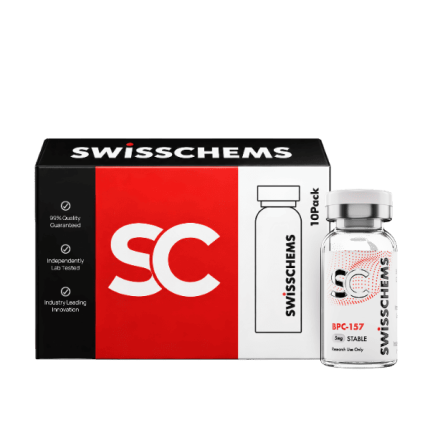
1 vial ,KIT (10 vials) |



Reviews
There are no reviews yet.