
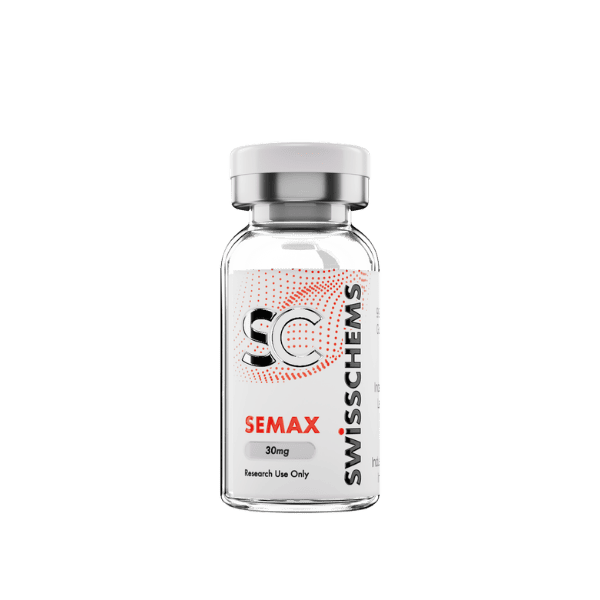
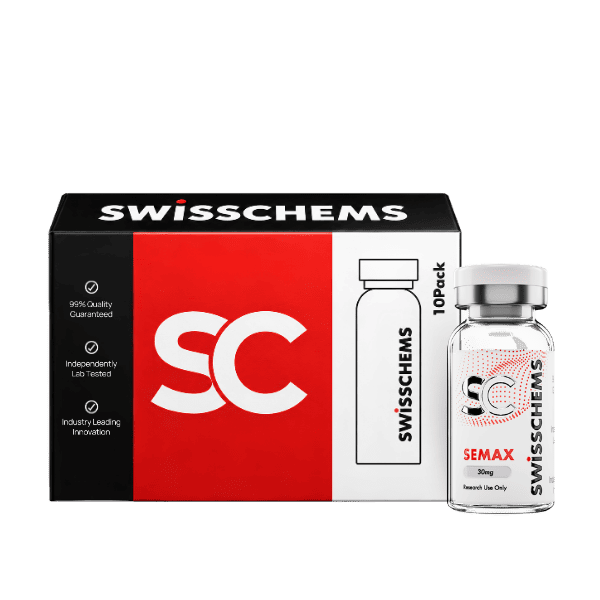
Semax 30mg
Price range: $73.95 through $739.50
Semax (MEHFPGP) is a synthetic heptapeptide analogue of the ACTH(4-10) fragment developed to retain specific peptide-signaling properties while exhibiting a distinct pharmacological profile. Experimental investigations have examined its interactions with melanocortin-associated signaling pathways, peptide-mediated… CAS: 80714-61-0 | Formula: C37H51N9O10S | Content: 30 mg per vial | Research use only | Third-party lab tested.
Buy Semax 30mg – Swiss Chems USA
Semax 30mg — Research Overview
Semax (MEHFPGP) is a synthetic heptapeptide analogue of the ACTH(4-10) fragment developed to retain specific peptide-signaling properties while exhibiting a distinct pharmacological profile. Experimental investigations have examined its interactions with melanocortin-associated signaling pathways, peptide-mediated regulatory networks, transcriptional control mechanisms, and signal transduction processes. Studies have also explored its influence on molecular signaling systems, receptor-associated regulatory pathways, and peptide-dependent cellular communication mechanisms. Research applications include neuropeptide pharmacology, melanocortin pathway investigation, peptide-signaling research, transcriptional regulation studies, receptor-ligand interaction analysis, and mechanistic evaluation of peptide-mediated signaling systems.
- High Purity – 99% Purity Guaranteed
- Independently Lab Tested
- Research Grade Quality
- For Laboratory Research Use Only
Intended use: This material is supplied for laboratory and in-vitro research only. It is not a drug, food, or cosmetic and is not intended for human or animal consumption.
Semax 30mg Chemical Properties
| Property | Specification |
|---|---|
| Chemical Formula | C37H51N9O10S |
| Synonyms | MEHFPGP, (Pro8,Gly9,Pro10)ACTH-(4-10), H-Met-Glu-His-Phe-Pro-Gly-Pro-OH |
| Molar Mass | 813.93 g/mol |
| CAS Number | 80714-61-0 |
| PubChem CID | 9811102 |
| Total Compound Content | 30 mg per vial |
| Shelf Life | 36 months |
Semax 30mg Research Applications
Semax (Met-Glu-His-Phe-Pro-Gly-Pro) is a synthetic heptapeptide analogue of the ACTH(4-10) fragment. The ACTH(4-10) region lacks the steroidogenic activity associated with the N-terminal ACTH sequence while retaining interactions with melanocortin-associated signaling systems. Experimental investigations have examined Semax in relation to transcriptional regulation processes, melanocortin pathway activity, ERK/MAPK-associated signaling networks, and peptide-mediated regulatory mechanisms. Studies have also explored its influence on receptor-associated signaling systems, molecular communication pathways, and downstream regulatory processes involved in peptide pharmacology. Its heptapeptide sequence includes a C-terminal Pro-Gly-Pro motif that influences peptide stability characteristics and resistance to enzymatic degradation relative to shorter ACTH-derived fragments. These properties have established Semax as a valuable research tool for neuropeptide pharmacology, melanocortin pathway investigation, signal transduction research, receptor-ligand interaction studies, transcriptional regulation analysis, and mechanistic evaluation of peptide-mediated signaling systems. Supplied as a lyophilized preparation (30 mg/vial). Independently third-party HPLC-tested; COA available per batch.
Semax 30mg Frequently Asked Questions
What is the relationship between Semax and ACTH in terms of receptor pharmacology?
Semax is derived from the ACTH(4-10) sequence, a fragment of the larger proopiomelanocortin (POMC)-derived peptide family. The ACTH(4-10) region retains interactions with melanocortin-associated signaling systems while exhibiting a pharmacological profile distinct from full-length ACTH. Experimental investigations have examined Semax in relation to melanocortin receptor-associated pathways, peptide-mediated regulatory mechanisms, transcriptional control processes, and downstream signaling networks. These characteristics make Semax a useful research tool for studies of melanocortin pharmacology and peptide-signaling mechanisms.
How does Semax interact with molecular signaling pathways in experimental systems?
Experimental investigations have examined Semax in relation to ERK/MAPK-associated signaling networks, transcriptional regulation processes, and peptide-mediated regulatory pathways. While the precise molecular mechanisms remain incompletely characterized, studies have explored interactions with receptor-associated signaling systems, intracellular communication pathways, and downstream regulatory networks involved in peptide pharmacology. These characteristics have established Semax as a valuable research tool for investigations of signal transduction mechanisms and peptide-mediated molecular regulation.
Why is the Pro-Gly-Pro C-terminal motif of Semax pharmacologically significant?
Semax contains a C-terminal Pro-Gly-Pro extension that influences peptide stability characteristics and enzymatic degradation susceptibility relative to shorter ACTH-derived fragments. This structural modification alters physicochemical properties and contributes to its distinct pharmacological profile. The Pro-Gly-Pro motif is frequently examined in studies of peptide structure-function relationships, enzymatic processing mechanisms, molecular stability, and the impact of sequence modifications on peptide-associated signaling systems.
Research Use Disclaimer
All product information is provided for educational and laboratory research reference only. Any form of introduction into humans or animals is prohibited. Handle only in licensed research settings in accordance with applicable laws and institutional protocols.
| Weight | 1 lbs |
|---|---|
| Semax 30Mg |
1 vial ,KIT (10 vials) |
Related products
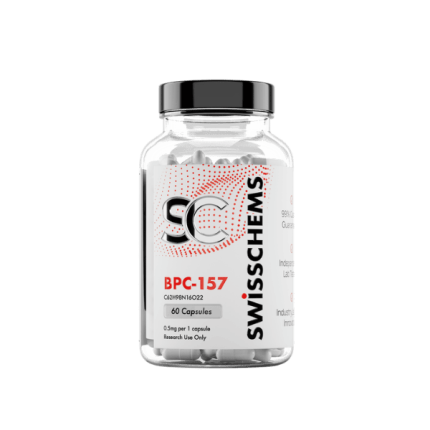
BPC-157 (0.5mg/capsule), 60 Capsules
Original price was: $114.95.$85.95Current price is: $85.95.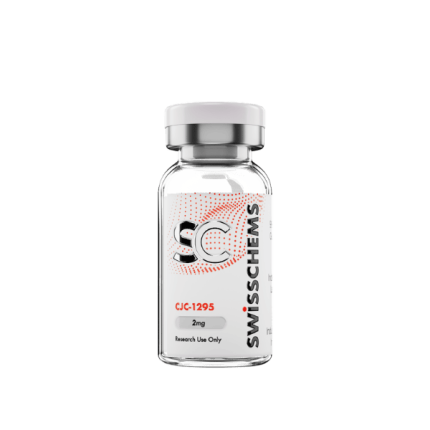
CJC-1295 without DAC 2 mg
Price range: $42.95 through $429.50
Follistatin-344 1mg
Price range: $139.99 through $1,399.90
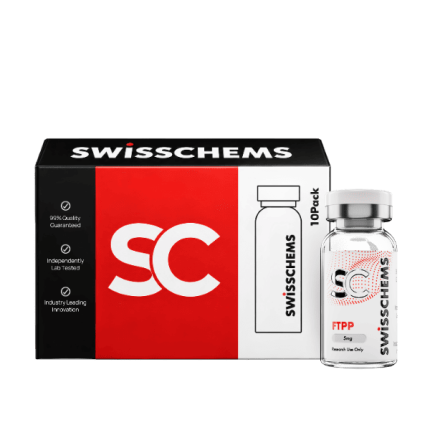
FTPP (Adipotide) 5mg
Price range: $63.95 through $639.50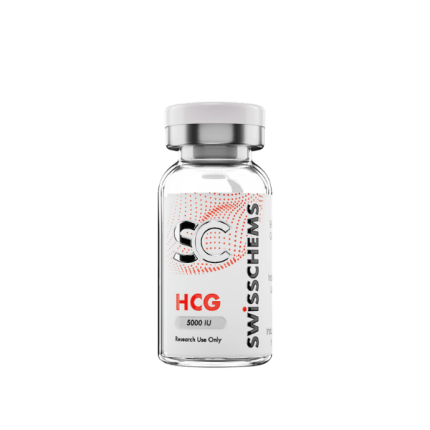
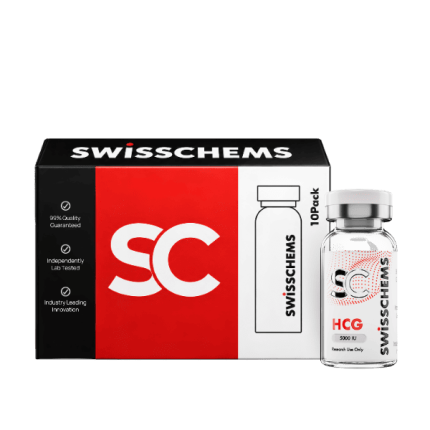
HCG 5000 IU
Price range: $28.99 through $289.90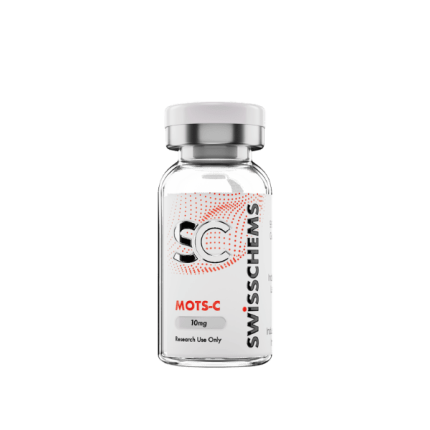
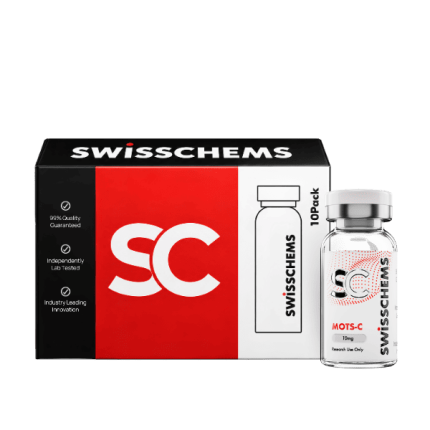
MOTS-C 10mg
Price range: $69.95 through $699.50
Reviews
There are no reviews yet.